
Dills Tavern: The Garden Shed: Vol 1.9
It's already time to get ready for next year’s garden. Even if you don't do anything else, at least do these five things.
- Garden Clean Up
Clean out and trash all plants that were diseased or had insect infestations. If you try to compost them any disease or eggs of unwanted insects are likely to survive composting. They will be everywhere in your garden that you use that compost next year. Clean up any fallen "seedy"fruit, such as peppers, squash, and tomatoes. Often their seeds will present you with volunteers next season, and they may not be where you want them. If they are hybrids you don't really know what you'll get from them.
Remove unproductive plants and those whose fruit won't mature before our expected first frost of October 25th. Don't just pull the plants out. Cut them off at the ground, letting the roots rot over the winter. Mycorrhizal fungus will continue to feed your soil around the roots. When the roots finally decay their absence leaves channels for water and air to permeate the soil. - Plant Garlic
 It's time to get next year's garlic in the ground. No, you don't have to buy expensive “seed garlic” from the garden centers. You can use the garlic from the grocery store. An even better idea would be to buy from one of our vendors at our Farmer's Market, because it is less likely that it has been treated. Only use the large, outer cloves. Just peel them off and plug them into the ground 3"to 3 1/2" deep. Plant it by our first expected frost date of October 25th, but not more than a week before that.
What type of garlic? There are two types:
a. the soft core with a white center stem, and
b. the hard core with a purple center stem
The hard core, or purple stem, is the best to plant in our region. The soft core is for southern gardeners. If you plan on storing it after harvest next year, the purple stem will last longer in a proper cool and dry storage area. 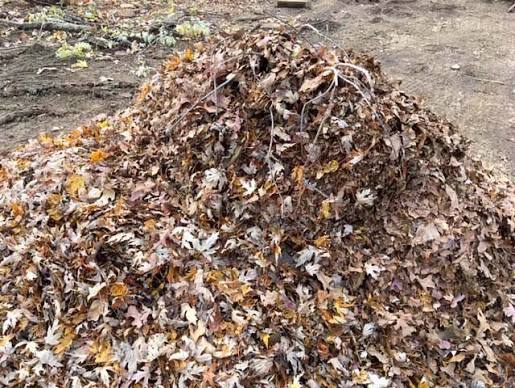 Cover Your Garden Beds
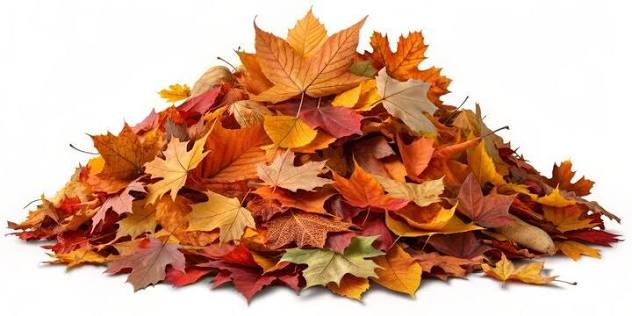
Keeping you soil covered all year provides many benefits. It prevents top soil erosion, nutrient runoff, protects the delicate soil microbiome you worked so hard to establish, and prevents many hardy, over-winter weeds from growing and taking over again. Shredded leaves (NO walnut leaves) or a green cover crop are two easy methods many gardeners use. As the leaves break down they become leaf mold, which is gardening gold. It's full of nutrients for your new plants (in 2027). At Dill's I want to transform the soil from hard clay, as well as cover it, and don't have anything but walnut leaves. I use either buckwheat or Diakon radish, aka "Tiller" radish. I usually plant buckwheat by Sept 10th, so it will provide enough plant material by first frost. The frost will kill it off, and it can chopped and be pressed down against the soil to decompose over the winter to add nutrients to our soil.Diakon radish will also be killed off by winter, but not until the third hard freezing. Then it can be chopped off at soil level with a sharp hoe or shovel. The above ground part that was cut off can be further chopped up with a hoe or shovel, and left to lay on the soil to decompose over the winter like the buckwheat.
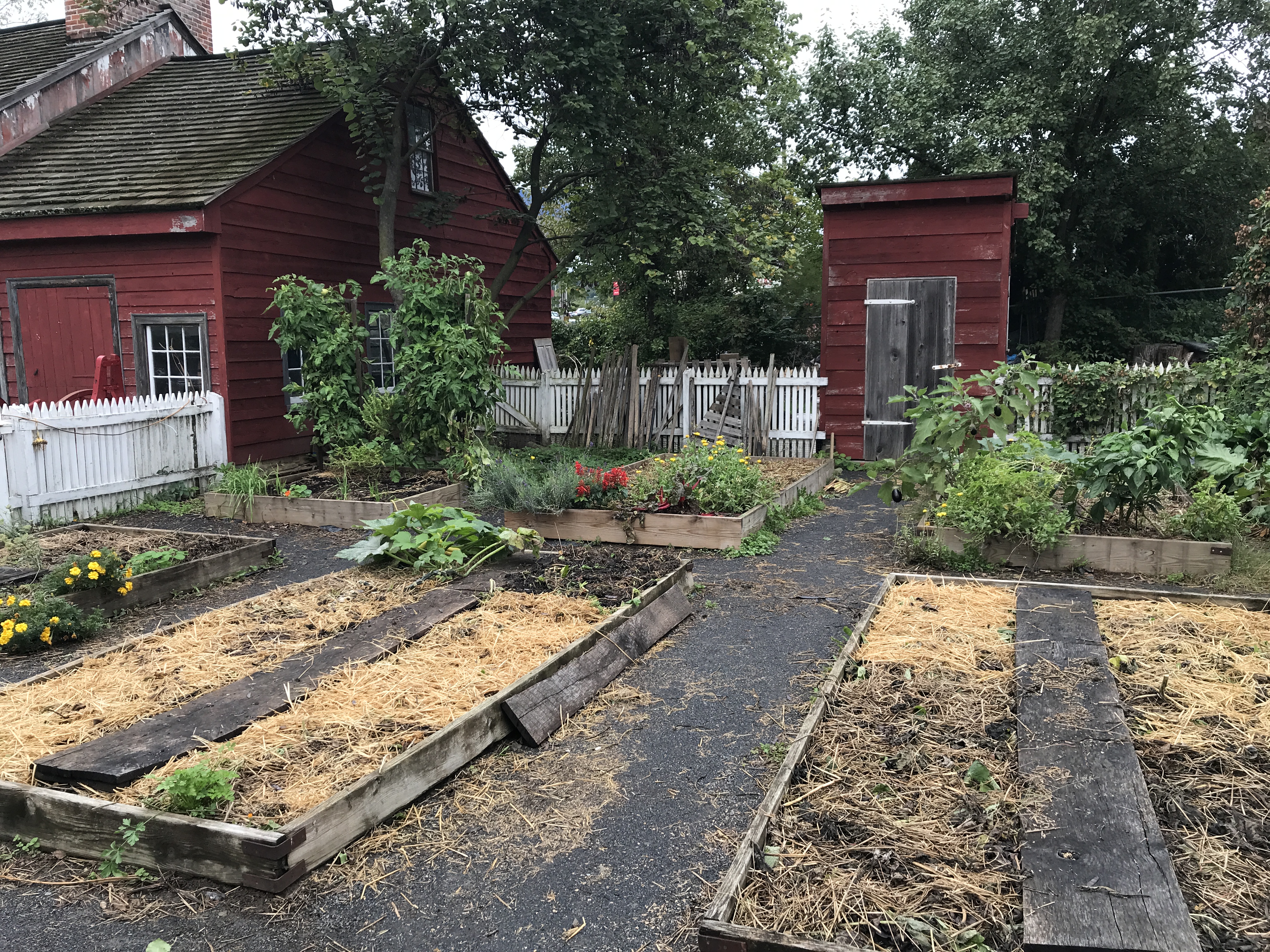
Some gardeners like triticale, a hybrid or wheat and rye, or annual rye as cover crops. Plant these by mid-October. They will germinate and start to grow, but go dormant over the colder months. In spring they begin growing again. When you're ready to plant the bed they are in cut them off at ground level, and let the plants lay as a green mulch. You can plant in between your new mulch. This works more easily when planting transplants.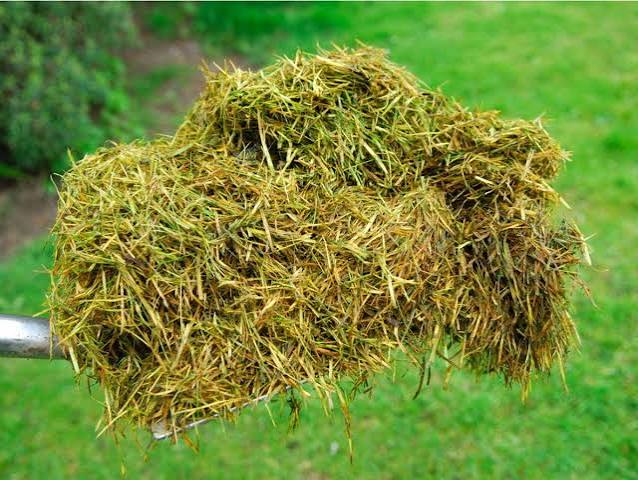 If you have none of the above, 2" of clean straw or 1" of grass clippings can be also be used, or even brown cardboard. Overlap the cardboard to cover any gaps between the pieces. The idea is to keep the hot winter sun from drying out your beds, and the rains or snow from packing your soil. The straw and cardboard will decompose slightly over the winter and provide some feeding to you soil. The grass should be gone by spring.Some gardeners have had no organic matter to cover their soil, so instead they use heavy, opaque plastic tarps, like a silage tarp, to block the sun and rain while keeping those hardy winter weeds from taking over.
- Critter Control
Mice, voles, shrews, and chipmunks can be devastating to a garden. They are all active and looking for food over the winter. It's a great time to set traps to rid your garden of them before next year's planting season. Are they really that bad?Let's just look at voles, which we have plenty of at Dill's. A vole will have ten litters a year, with up to ten young per litter. They can start breeding and bearing young when they are only one month old. Mice are fairly similar. It doesn't take long before they become a nightmare for a gardener. - Prep New Beds
This is the prime time to develop any new beds for spring planting. Lay down dampened cardboard and cover it with about 6” of a soil and wood chip mix. Or, you can till it and plant a cover crop, as mentioned in item #3. In the spring you will have a fresh, new bed ready for expanding your garden area.
Until next month, Happy Gardening!
Gary A. Reneker, Head Gardener
Volunteers Welcome!
NYCHAPS (especially Gary!) is always looking for volunteers to assist with garden maintenance. Everything from planting, mulching, weeding, and learning/sharing your knowledge with others! Contact Gary Reneker at This email address is being protected from spambots. You need JavaScript enabled to view it.