Dills Tavern: The Garden Shed: Vol 1
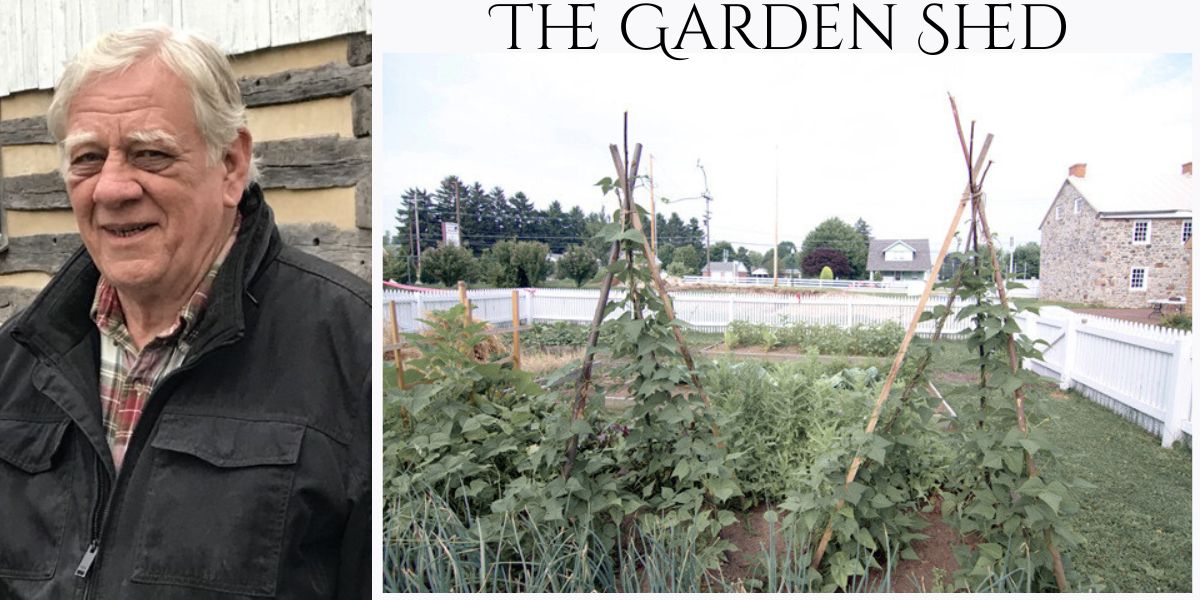
 I also plan to start writing periodic articles about gardening to help other gardeners as well as articles about how early Americans used what came from their gardens. The indoor seed starter was finished this year and was used to grow many of the transplants that ended up in our garden. Others were produced in milk jugs using a method called "winter sowing". Throughout the growing season I was asked by numerous visitors how I used the vegetables grown in our garden. I came to realize that many NYCHAPS members probably don't know either. Nor do many know what actually happens in our garden, except that vegetables and weeds grow alongside each other.
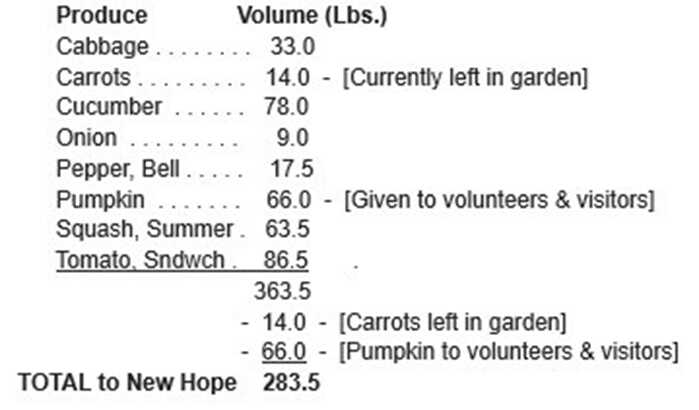
Produce Donations:
Each year I keep a general log of activities I do in the garden. This year I kept a tally, rounded to the nearest half pound of what / how much was grown and donated to the New Hope Ministries' Food Bank. In addition, and not included in this tally except the pumpkin, there were many vegetables and herbs given on the "spur of the moment" to Tavern volunteers and visitors.
Upgrades To the Garden:
The area behind the garden's back fence was cleared out for a compost pile and bin area, and a "weed tea" barrel that produced nearly all of the liquid fertilizer I used this year. I borrowed Sam McKinney's truck to pick up a few free pallets from ECI. I need more pallets and will continue to work on these for the walls of two future compost bins.
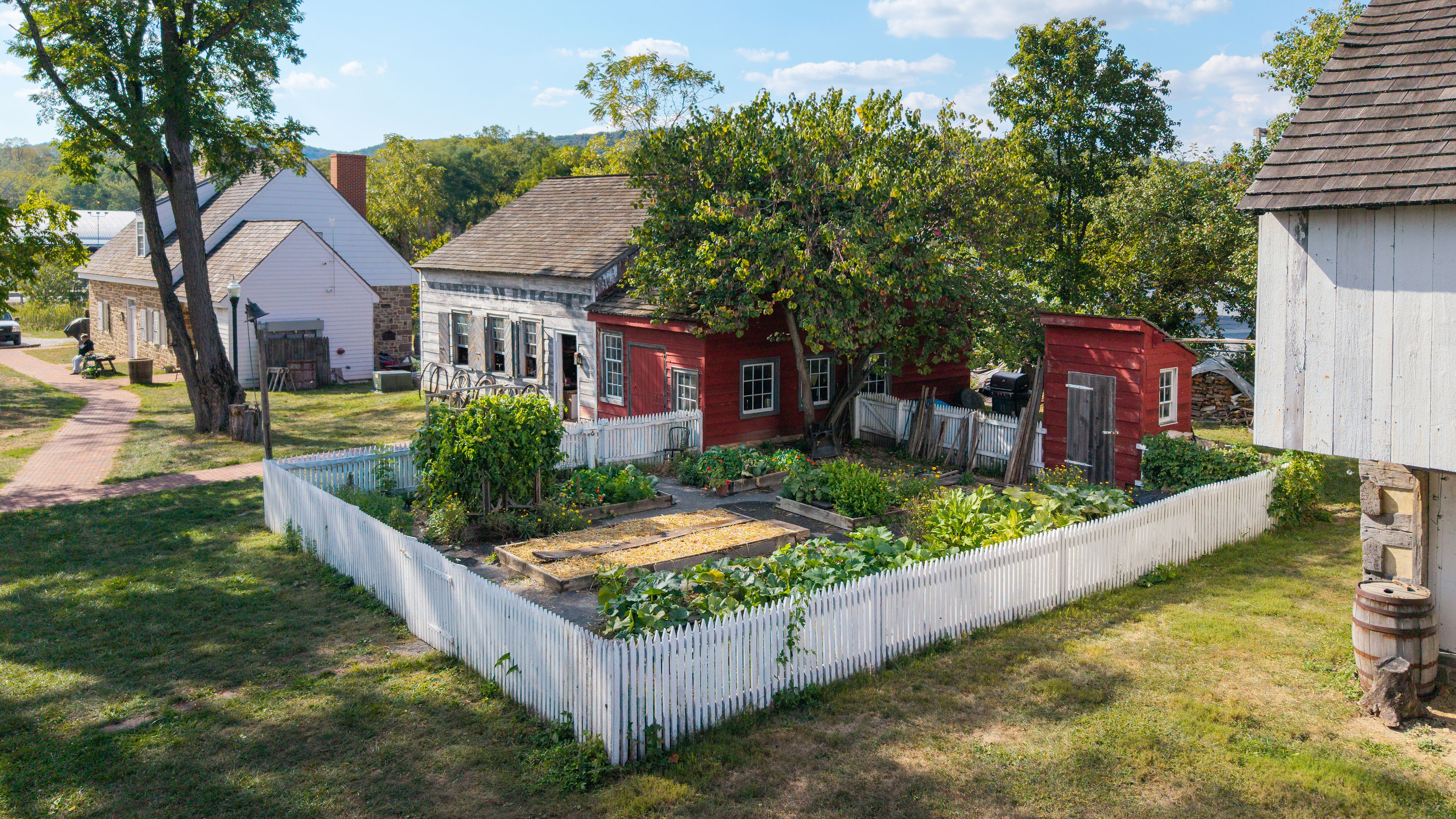 I'm still trying to recreate the soil from hard packed, York County clay into viable, no-till garden soil without spending a small fortune to remove the clay and replace it with topsoil, peat and compost. It's a long, multi-year process, but a lot cheaper if you have the time, effort and health to do it.
First, there is a lot of hand digging to initially break up the hard pack. Then garden plants and cover crops help to continue breaking up the hard pack. Along with breaking up the clay, cover crops also add nutrients to the soil. Cover crops like Daikon Radish, Crimson Clover, and Buckwheat were not planted this year, but it is my hope they will be in the coming year if funds are available.
This year I hand dug about one-third of the beds. Shredded bond and newspaper were included for their carbon content, and grass clippings from a supportive neighbor were used for the needed nitrogen. Both also provide some micronutrients. Leaves from the property cannot be used, as they are predominantly Walnut. Nothing from a nut tree, especially Walnut, should ever be used in your garden. Even Walnut roots growing under a garden will kill most of the plants.
Chad Goyette donated lumber for the back three garden boxes. Brian Kane helped me rebuild those boxes. The front three boxes were rotted out inside and are drastically in need of replacing. The side bed to the garden's rear has been worked up, and a box to contain the soil was built from lumber we had at the Tavern and some cedar donated by Richard Conley.
The rest of the cedar Richard gave me will be used for new beds just outside the garden's front fence. Those two beds, as well as two beside the kitchen building were proposed last year. Next steps… the final plans and Board approval are needed and then, we will need to purchase the soil to fill those boxes as the soil in the main garden is far too shallow to take any from there to fill new beds.
Some final notes. The 2026 garden has been planned and waiting to be planted. The garlic has already been planted for the 2026 garden. All that remains is to calculate how many Spring transplants to start in our seed starter and milk jugs.
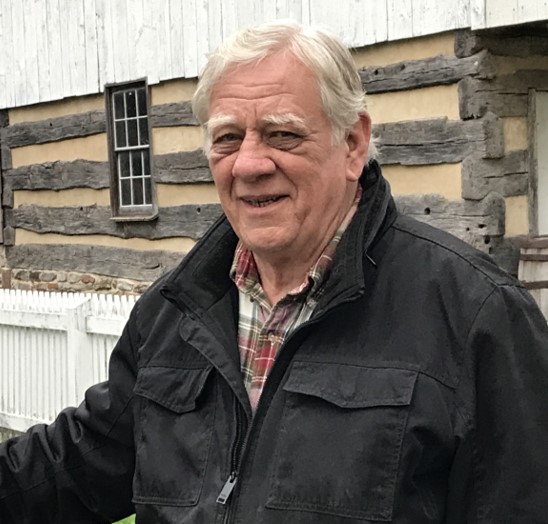
That's all for 2025. Here's hoping you all have a wonderful holiday season, and your 2026 gardens feed you well. ~ by Gary Reneker, Garden Master